
Rediscovering Vinyl is where memory, music, and the joy of collecting meet. I write about the albums that shaped us, the stories behind the grooves, and the art of finding meaning in the stacks.

Now Available!
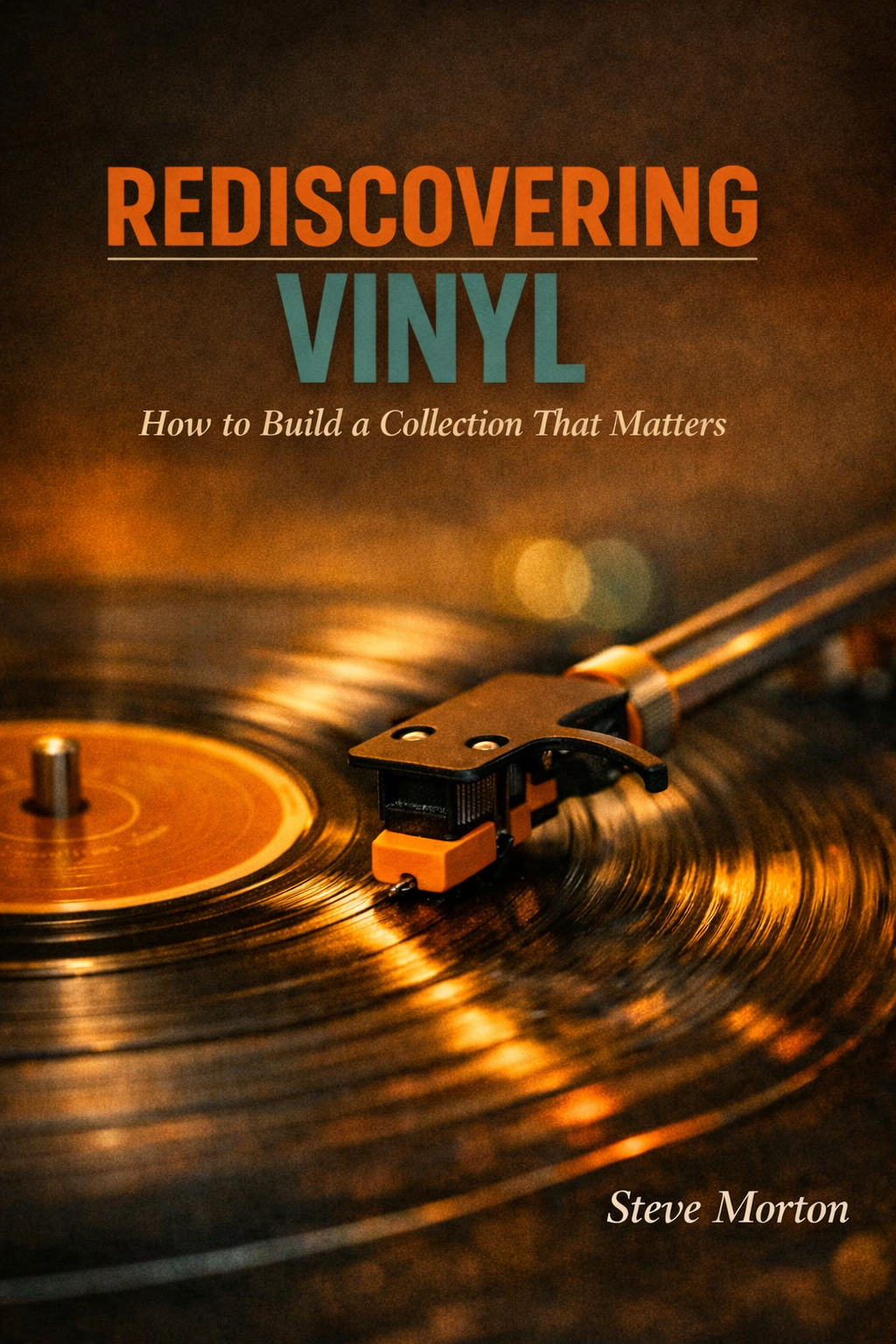
Rediscovering Vinyl’s new guidebook is a practical, story‑driven guide to rebuilding a meaningful record collection in the modern era. It blends hands‑on advice with personal moments from a lifetime of listening, helping you understand grading, value, pressing differences, and how to choose records that actually matter to you. Whether you’re starting fresh or starting over, this book gives you the clarity and confidence to build a collection with purpose.
Featured Post
New grooves every Wednesday. Because every record has a story worth retelling.
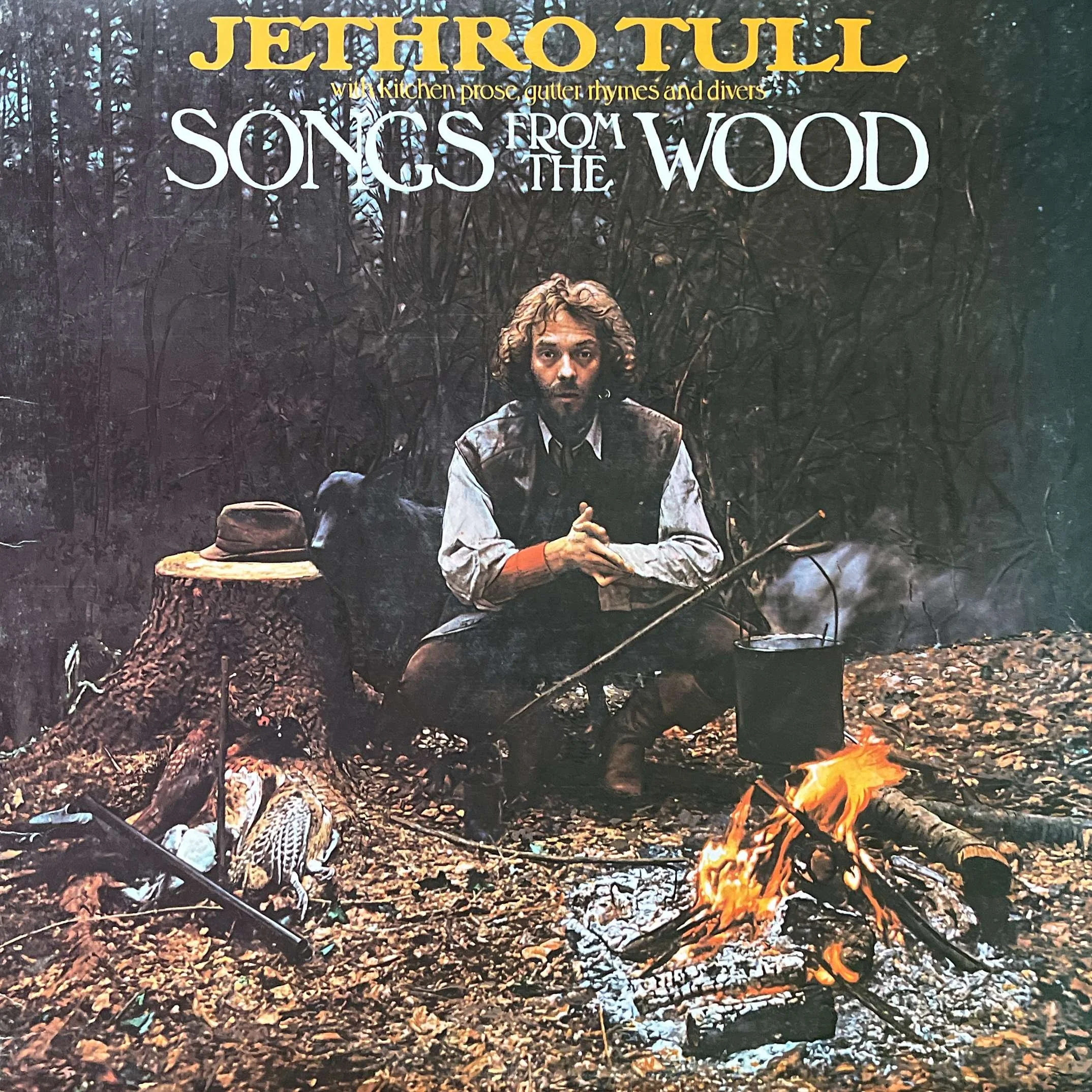
Rediscovering Vinyl: Jethro Tull - Songs from the Wood (1977)
"A singer of these ancient times - with kitchen prose and gutter rhymes."
I first bought Songs from the Wood towards the end of 1983. It was my freshman year of college, and I was knocking around a K-mart with some new friends when I stumbled upon a bin full of 88-cent 8-Track tapes. I wasn’t looking for anything in particular. I’d never owned a Jethro Tull album before, though I was familiar with the usual suspects (“Aqualung,” “Locomotive Breath,” etc.). But something about this 8-track tape called to me. Maybe it was the cover art, with Ian Anderson crouched in a woodland clearing like some kind of wise forest sage. Maybe it was just the lime-green case. Whatever it was, I bought it.
My stereo console back then had an 8-track slot, and that tape became my gateway into a world I didn’t know I needed. Not only has it become my favorite Tull album, Songs from the Wood is one of my favorite rock albums of all time. If I were stranded on a desert island and could only bring one record, this would definitely be a contender.
There’s a kind of magic in Songs from the Wood that’s hard to describe. It’s equal parts folklore, finesse, and firelight. It’s the album that made me a Tull devotee, and the one that still feels like a personal talisman. Heavy Horses, its successor, felt like a natural continuation; more grounded, more muscular, but still steeped in tradition. Yet it’s Songs from the Wood that holds the mystery, the invitation, the spark.
Since that day in K-mart, I’ve owned this album in every format imaginable: LP, cassette, CDs with and without bonus tracks, digital downloads, and that original 8-track. It’s a record that rewards deep listening, with layers of acoustic instrumentation and lyrical complexity that still surprise me after all these years.
Here’s a breakdown of the album as I’ve come to know and love it:
Songs from the Wood (1977, Chrysalis Records)
Recorded: September–November 1976, Morgan Studios, London
Produced by: Ian Anderson
Engineered by: Robin Black
Side One
Songs from the Wood
The title track opens like a warm invitation - “Let me bring you songs from the wood…” - and it delivers. These lines are sung in a madrigal-like acapella chorus. He urges us to “join the chorus if you can,” calling us to become a part of some wholesome and ancient way of living that has somehow been forgotten. A weaving vocal harmony and rhythmic interplay, it sets the tone for the album’s pastoral themes. The acoustic guitar and flute dance around each other with precision, and the lyrics are like a toast to nature and tradition.
Jack-in-the-Green
A solo piece by Ian Anderson with all the instruments played by him in his studio. This one feels like a secret whispered through the hedgerows. It’s short, but rich with imagery - an ode to the mythical spirit of spring, to the Green Man, to the resilience of nature. The layered acoustic textures and Anderson’s intimate delivery make it feel like a private ritual.
Cup of Wonder
This track is a celebration of British folklore, steeped in seasonal rites that feel both ancient and alive. The lyrics are pure Tull poetry; cryptic, evocative, and rich with allusion. Ian Anderson weaves references to Beltane, solstice rites, and the turning of the year into a tapestry that feels ceremonial without ever being didactic, feeling like fragments of an older tongue, inviting the listener into a ritual they don’t need to fully understand to feel moved by. Musically, the song’s shifting time signatures and melodic turns are deceptively complex, yet it flows with a natural grace. It’s a track that deepens with each listen, revealing new lyrical layers, rhythmic subtleties, and instrumental interplay that reward close attention.
Hunting Girl
A thunderbolt of energy. The electric guitar and bass come roaring in, contrasting the album’s gentler moments. Lyrically, it’s cheeky and suggestive, but musically it’s funky, aggressive, and full of bravado. Martin Barre’s guitar work here is razor-sharp. I used to play this in the car when the kids were young, and as adults, they still remember that iconic rhythmic guitar phrasing, even though they didn’t necessarily remember where it came from until I reminded them.
Ring Out, Solstice Bells
Originally released as a Christmas single, this track is celebratory and ceremonial. The bell-like percussion and choral vocals evoke the spirit of ancient winter festivals. It’s one of the few rock songs that genuinely captures the spirit of the solstice without cliché. Jethro Tull re-recorded this song for their 2003 Christmas album.
Side Two
Velvet Green
A sprawling, sensual ballad that feels like a walk through mossy woods and medieval courtship. The shifts between acoustic delicacy and electric bursts are seamless. It’s one of the album’s most ambitious compositions, and one of its most rewarding. One of my favorite tracks. I used the Renaissance‑style intro as my phone’s ringtone once upon a time.
The Whistler
Driven by Anderson’s flute and a galloping rhythm, this self-referential track is playful and propulsive. It’s got a Celtic lilt and a mischievous spirit. The chorus is infectious, and the acoustic instrumental breaks are amazing. Ian actually plays a tin whistle on this one. This is the only track from this record that I ever heard on the radio.
Pibroch (Cap in Hand)
The album’s most dramatic and progressive moment. Barre’s guitar intro is haunting, almost dirge-like, before the song unfolds into a complex tapestry of moods. It’s a journey - melancholic, majestic, and mysterious. Pibroch is a Scottish Gaelic term that references a traditional form of Scottish bagpipe music known for its extended, theme-and-variation structure. You don’t hear actual bagpipes here, though, but the composition is a clever homage to the form, filtered through progressive rock instrumentation.
Fire at Midnight
A quiet, reflective closer. While it begins with acoustic guitar and gentle vocals, the track gradually reveals a rich tapestry of textures: warm bass, subtle keys, and flute flourishes that flicker like firelight. It’s a short piece, but it carries the emotional weight of a homecoming, returning from the revels or the day’s work, settling by the hearth, letting the embers glow. There’s a sense of peace here, but also a kind of earned stillness. Maybe my favorite track on the album.
Final Thoughts
Songs from the Wood remains a perennial favorite, not just for its musical brilliance, but for the way it opened a door to something older, deeper, and more rooted than I’d expected from a rock album. It’s a record that feels like a ritual, a seasonal turning, a walk through moss and myth. And while Heavy Horses would later expand that vision into the fields and stables of rural England, Songs from the Wood is where the spell was first cast. It’s the album I return to when I want to feel grounded. It offers a refuge from the noise and absurdities of modern life. It’s a vision of a more harmonious time, and a counterpoint to the disharmonies of today.